







When a major football tournament comes around, the match doesn’t start on opening day. It starts weeks earlier, in search results, in social feeds, and in the quiet ritual fans repeat every morning: checking who plays, who’s fit, who’s trending, who might surprise everyone.
For sports media, that pre-tournament window is the real qualifier. It’s where attention is won or lost. And in 2026, with the world’s biggest football tournament hosted in the US, the battle for attention will be global, fast, and brutally competitive.
The good news is that publishers don’t need more hype. They need better stories. Not louder. Better structured, more visual, more data-backed, and easier to consume.
That’s what data-driven storytelling really is: using live and historical data to make coverage feel smarter, faster, and more addictive, without losing the human drama that makes football matter.
Why football tournament storytelling is changing
Football audiences have become “second-screen by default”. Fans follow matches while scrolling, chatting, and watching highlights. Their attention comes in bursts. They don’t read long paragraphs to find one fact. They want the fact to land instantly, then pull them deeper.
That shift has changed what “good coverage” looks like in tournaments.
It’s no longer only about reporting what happened. Every outlet will do that. It’s about answering the questions that fans actually have in real time:
- What changed in the last five minutes?
- Why is this match suddenly on fire?
- Who is quietly dominating?
- What does this result do to the standings right now?
- What’s the storyline that matters for the next match?
Data helps because it turns those questions into repeatable formats. And formats scale when tournament pressure hits.
The new tournament audience is driven by three forces
You can describe tournament attention with three simple forces:
- Speed: fans want the update now, not later
- Context: fans want meaning, not just a score
- Continuity: fans want a reason to return tomorrow
Data-driven storytelling supports all three, especially when coverage spans weeks and users jump between matches, teams, and narratives.

Speed is obvious: live scores, key incidents, lineups, cards, goals. But context and continuity are where publishers win.
Context turns a moment into a story. Continuity turns a story into a habit.
From “stats” to “story engines”: what data actually enables
When people hear “sports data”, they often imagine a table: shots, possession, fouls. Useful, but not a story.
In a tournament environment, data becomes powerful when it’s used as a story engine. That means building coverage formats that are:
- visual by default
- structured and predictable
- easy to update live
- consistent across matches
- designed for scanning and sharing
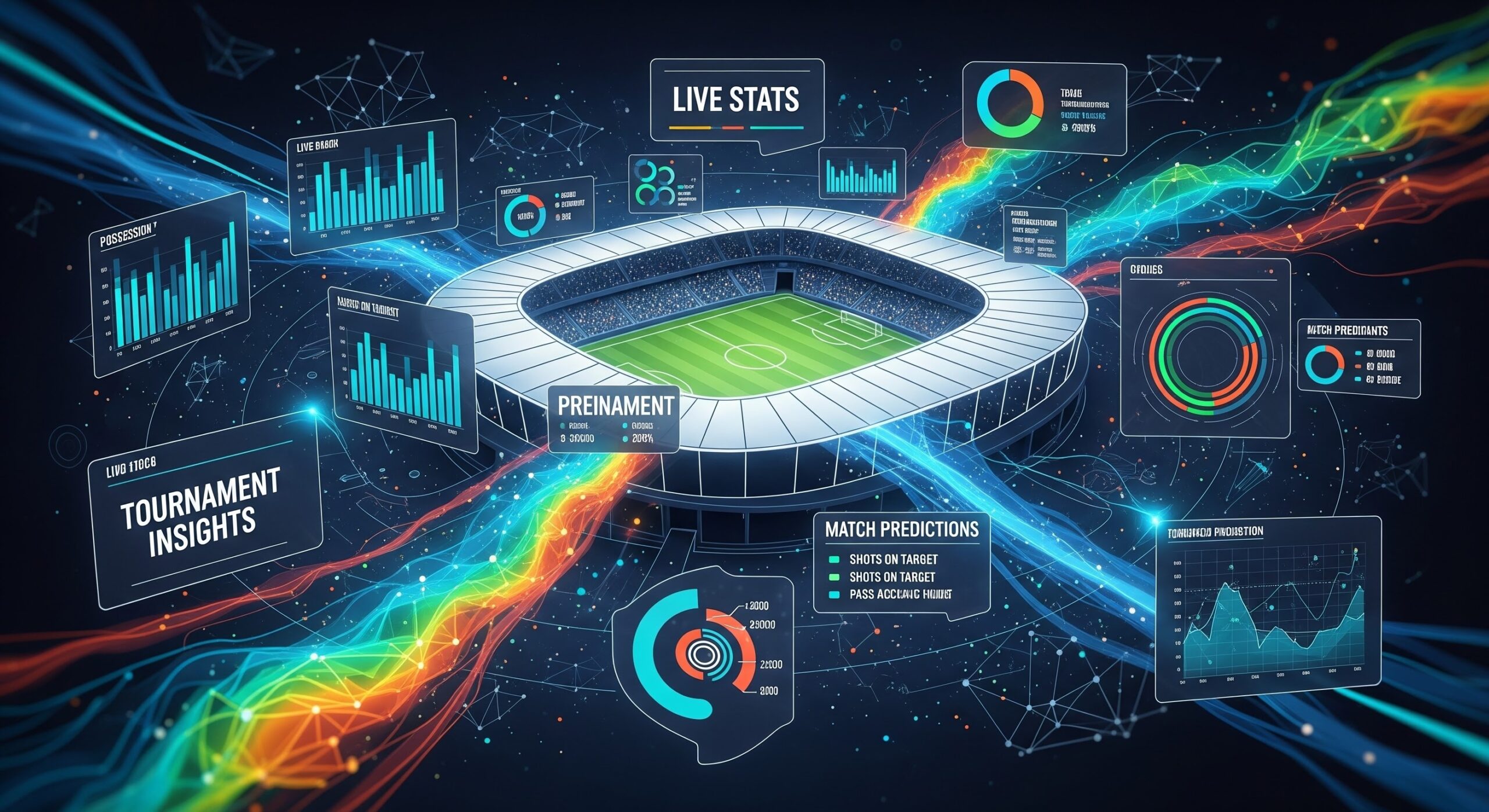
Here are the formats that typically perform best during tournaments:
1) Match momentum, not match chronology
Traditional match reports are chronological. Modern tournament audiences want momentum.
A single chart or timeline that shows “when the match turned” often keeps users longer than 800 words of description.
2) Player impact snapshots
Fans don’t only ask “who scored?” They ask “who is running the match?”
Quick player cards that combine a few meaningful data points (not everything) help fans form opinions fast and come back to compare.
3) Tournament consequences, instantly
The most addictive tournament pages answer one question immediately: “What does this change?”
Live standings, bracket logic, qualification scenarios and next-match implications keep users clicking through.
4) Repeatable “daily brief” structures
The audience loves predictable formats: “Today’s key games”, “3 storylines”, “players to watch”, “what to expect”.
Data makes these briefs fast to produce and consistent across the tournament cycle.
Why this matters for attention and engagement
During major tournaments, every publisher can post the goal clip. What separates outlets is what happens around the goal:
- the context before it
- the consequence after it
- the storyline that connects it to the tournament narrative

Data-driven storytelling helps create that surrounding experience. It also reduces newsroom friction. When formats are standardized and data-backed, you can scale coverage without turning the tournament into a manual workflow nightmare.
The result is not just better journalism. It’s better performance:
- longer sessions
- more return visits
- more pages per visit during match days
- higher shareability of “quick insight” formats
Practical starting point: how media teams can prepare now
You don’t need a full rebuild to start using data-driven storytelling before a tournament.
A realistic pre-tournament checklist:
- define 5–7 repeatable story formats (daily brief, match momentum, player cards, tournament consequences)
- decide which formats are website-first vs social-first
- agree on 2–3 virtual metrics that match your editorial tone
- prepare templates so production doesn’t start from scratch every match day
- ensure your tournament hub experience is consistent, mobile-first, and easy to navigate
This is how you turn tournament coverage from a sequence of posts into a product-like experience.
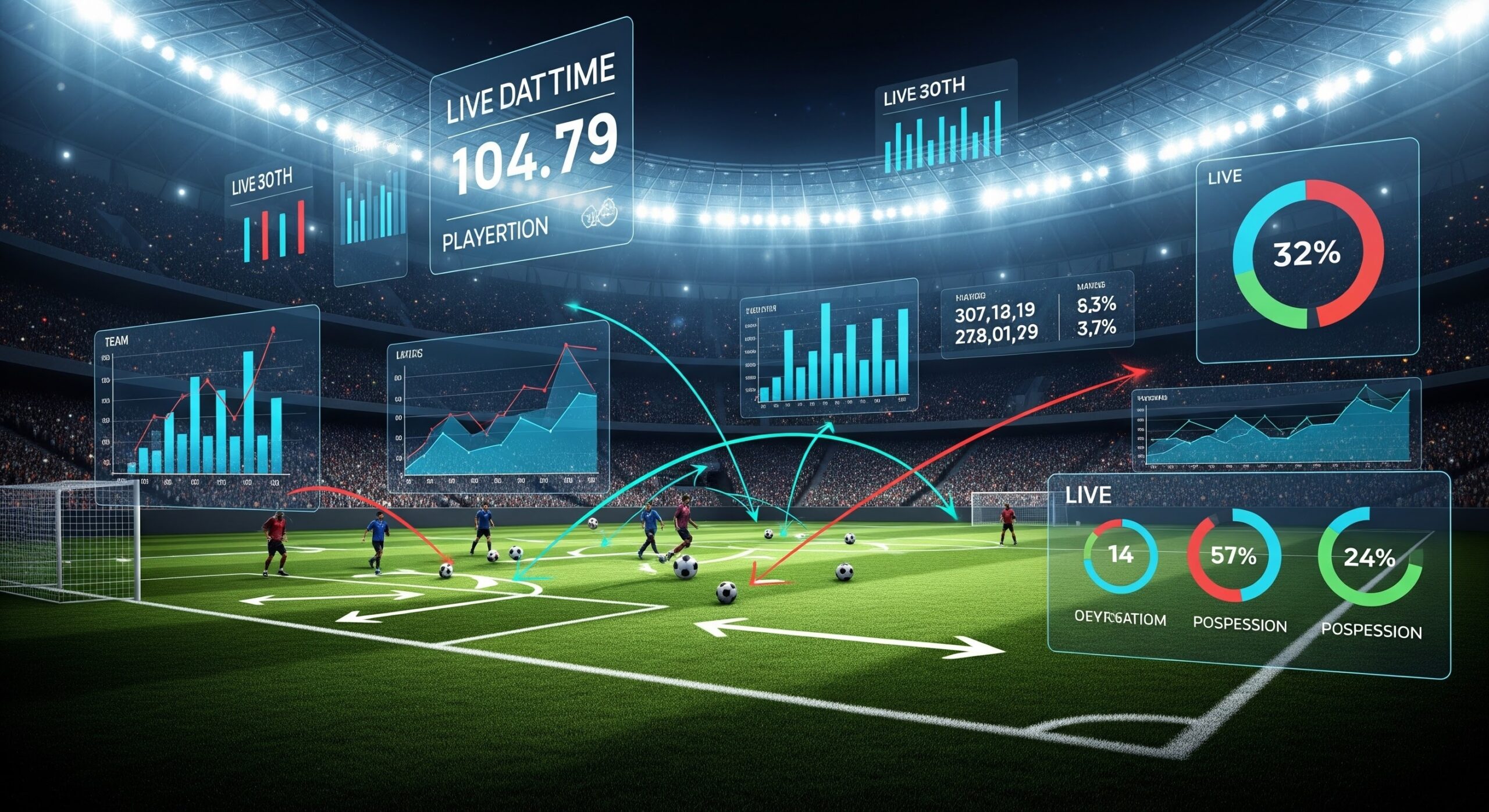
One last thought: the real tournament starts before the actual tournament in the USA 2026
By the time the opening match kicks off, your audience has already chosen where they’ll follow the tournament.
Publishers who win aren’t the ones who publish more. They’re the ones who build the best tournament experience: fast updates, meaningful context, and story formats that scale.
Data-driven storytelling is how you do that.
If you want to see what a tournament-ready experience looks like in practice, take a look at CupCenter’26, our integrated tournament hub built for media coverage at scale.