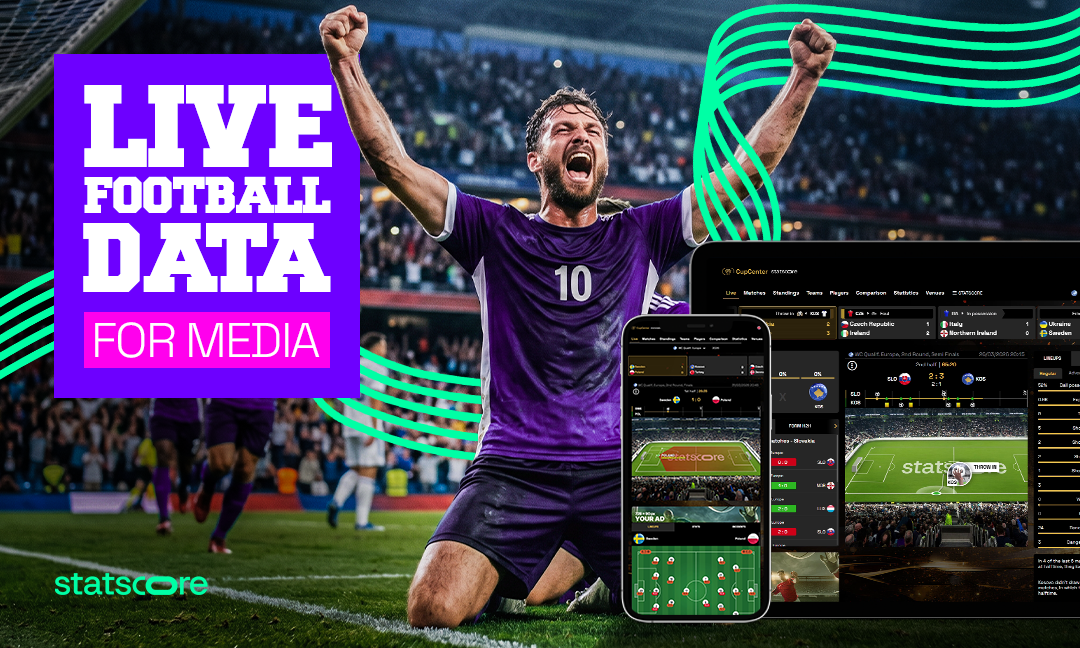









Today’s sports fans demand instant, accurate, and engaging coverage. They want real-time scores, player stats, and in-depth insights as the action unfolds. If they don’t get it, they’ll quickly move to another platform that delivers.
Why Sports Data is Essential for Media
The media landscape is more competitive than ever. Simply sharing results or highlights isn’t enough. Audiences expect dynamic, interactive sports coverage that keeps them connected to every moment of the game. Whether it’s live match updates, advanced analytics, or visualized stats, delivering this kind of experience can make or break a media platform’s success.
So, what’s the solution? High-quality sports data. By incorporating real-time and reliable data into their coverage, media companies can captivate fans, extend audience engagement, and drive more traffic to their platforms. From live score widgets to player performance stats, sports data transforms basic reporting into a rich, immersive experience.

Whether it’s real-time scores, player stats, or play-by-play updates, sports data has become the backbone of engaging and profitable coverage. Media companies that harness the power of high-quality sports data gain a significant edge. It enhances engagement, expands reporting and storytelling possibilities, and drives revenue growth.
Keeping Viewers Hooked with Real-Time Engagement
Sports fans want to follow every play, goal, or decision the second it happens. Real-time sports data ensures they stay informed and emotionally connected to the action. Live scores, instant updates, and dynamic play-by-play coverage create a sense of immediacy that keeps audiences glued to the screen or website.

For example, when a football game is tied with minutes to go, fans will refresh stats, watch live leaderboards, and analyze player performance. Platforms that deliver this level of detail become the go-to source for real-time engagement. When media outlets combine speed and accuracy, they satisfy audience demands and keep viewers coming back.
Expanding Content with Interactive Sports Coverage
The benefits of having sports data extend far beyond basic updates. With the right sports stats coverage provider, media companies can transform raw data into engaging, interactive content. Think about live trackers, scoreboards, dynamic tables, and advanced player comparison charts. These features allow fans to interact with content, not just consume it.

Visualized stats can turn a simple game report into a detailed hub of information. For example:
- Live tracking data that allows fans to closely follow any game, be it football, basketball, baseball, tennis, or any other sport.
- Detailed player stats including goals, assists, shots, cards, and more.
- Real-time tables track changing standings during live tournaments.
This type of content attracts fans who crave deeper insights and analysis. It also allows media companies to expand their coverage, offering new layers of storytelling that keep fans engaged long after the game ends.

Driving Revenue Growth Through Enhanced Coverage
High-quality sports data doesn’t just improve content – it drives revenue. For media companies, engaging and informative sports coverage attracts a loyal, highly active audience. This engaged user base creates opportunities for:
- Advertising Revenue: Brands want to place ads on platforms where fans spend time. Interactive sports content increases dwell time, making these platforms more attractive to advertisers.
- Subscription Models: Premium stats, exclusive data visualizations, and advanced analytics can be offered as part of a subscription service.
- Sponsorship Deals: Media outlets that feature real-time data and in-depth analysis often secure lucrative sponsorships with sports brands or betting companies.

Sports Data as a Competitive Advantage
For media companies, sports data is more than just numbers—it’s a tool for growth. Whether it’s improving audience engagement, expanding content offerings, or driving revenue, the value of high-quality sports data cannot be overstated.
Media outlets that partner with a reliable sports stats coverage provider position themselves to dominate the market, delivering the kind of coverage that fans demand and advertisers reward.
By leveraging sports data, media companies don’t just keep up with the competition—they stay ahead.