






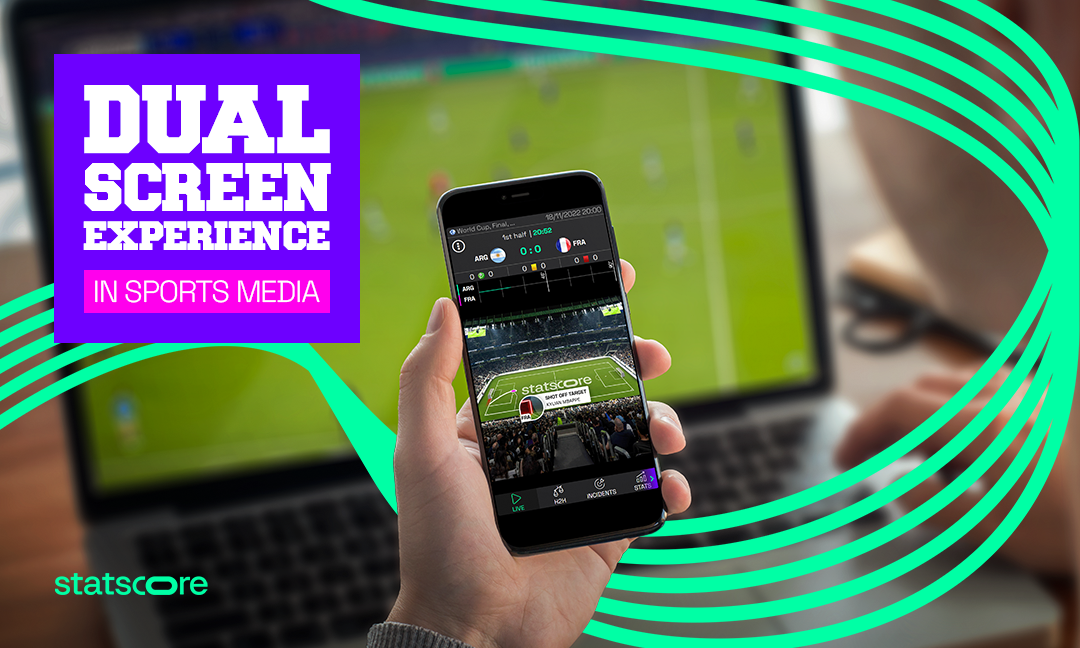
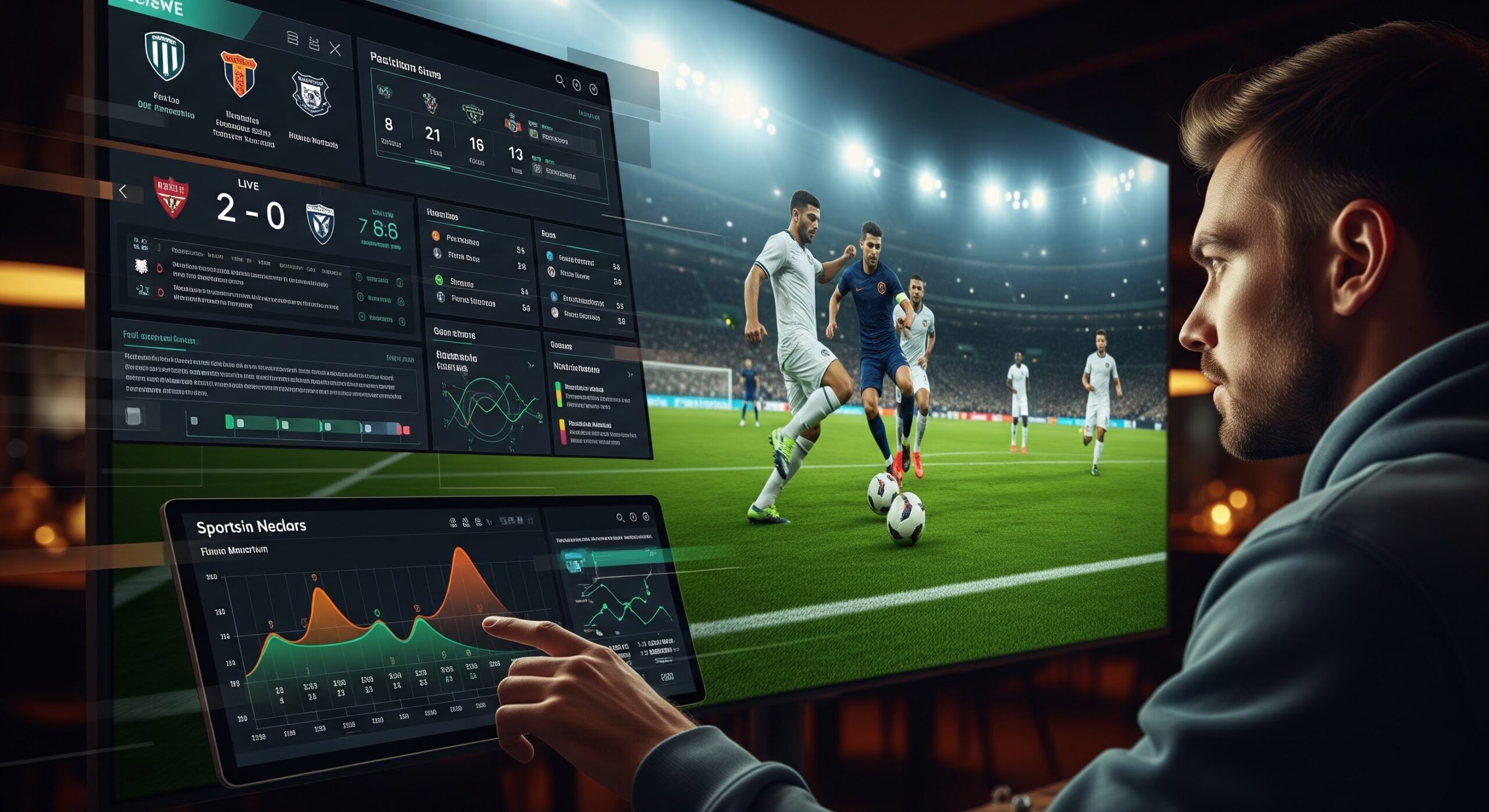
Matchday used to be simple. You watched the game. Maybe you read a report later. Today, matchday is a split-screen habit. The live broadcast is still the main stage, but the second screen is where fans actually live: scores, lineups, live stats, group tables, highlights, chats, social feeds, fantasy, and “what does this mean for us now?” questions.
For sports publishers and broadcasters, that shift changes everything about tournament coverage. Especially when a major global football tournament is hosted in the US in 2026, and attention will be fought across platforms, devices, and time zones.
The uncomfortable truth is this: you’re not competing only with other media outlets. You’re competing with friction. Every extra step, every slow page, every lacking context moment is an invitation for the fan to leave.
The second screen isn’t a distraction. It’s the experience
Fans open the second screen for one reason: control.
They want answers faster than the commentators can provide them:
- Who is starting and who is out?
- What just happened and why is it important?
- What does this goal change in the group table right now?
- What’s the next match, and what do we need to qualify?
- Who is actually dominating beyond the scoreline?
In tournament football, those questions arrive in waves. A publisher that can serve them instantly keeps users longer. A publisher that can’t do it becomes a “one-click stop” on the way elsewhere.
Tournament attention comes in bursts
Tournament viewing is not linear. Fans spike in and out:
- pre-match: lineup confirmation, last-minute injury, “what to watch”
- during match: key incidents, momentum swings, live table updates
- post-match: consequences, next fixtures, storylines, player narratives
- between matches: “what’s coming today” and “what matters”
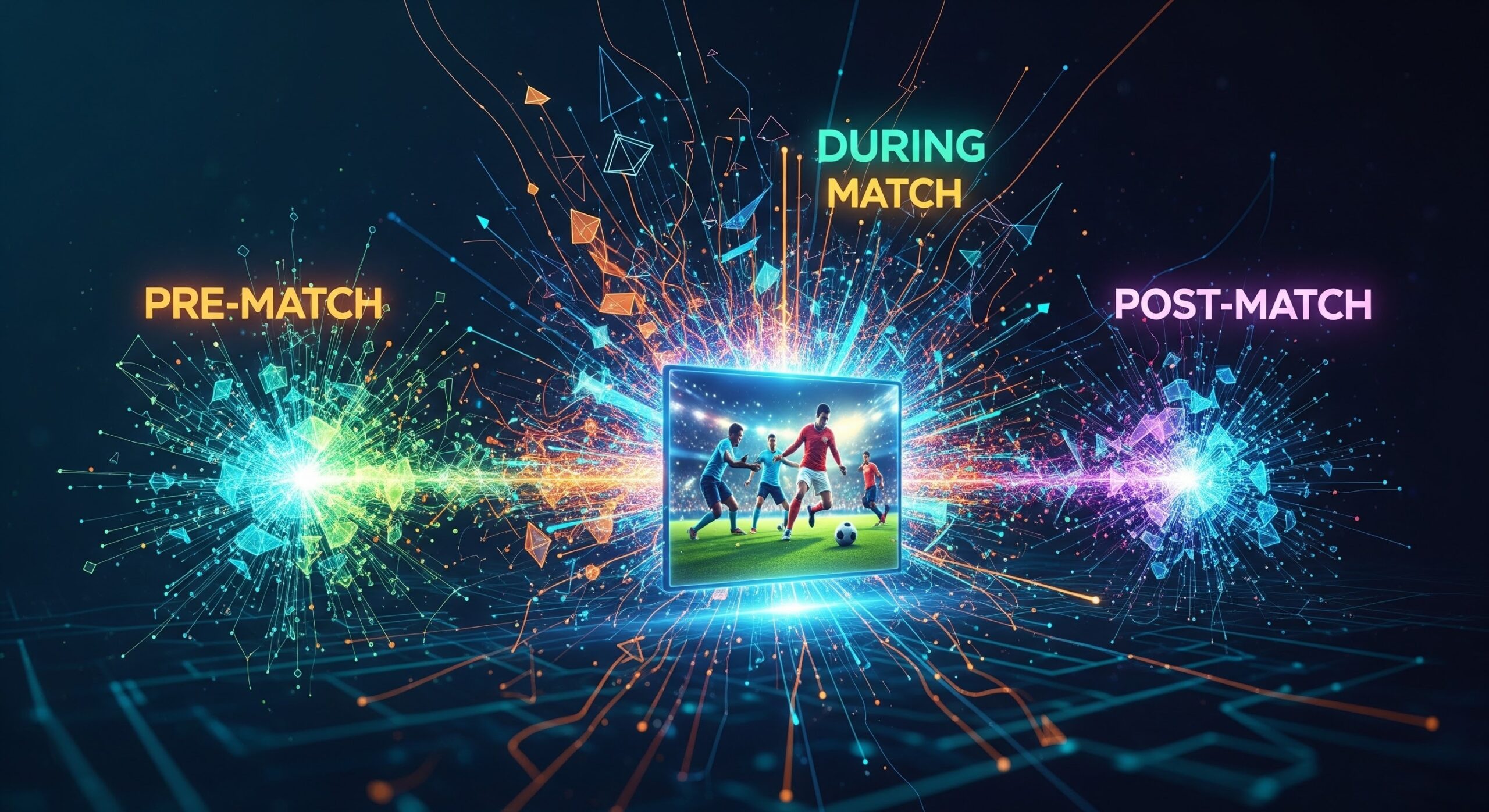
That rhythm is why the most effective tournament coverage isn’t one long article. It’s an ecosystem of fast, structured pieces: match pages, data hubs, live centers, and repeatable formats that can scale across weeks.
What dual-screen audiences expect from media
Dual-screen behavior raises the bar in three specific areas:
1. Live context, not just live updates.
Fans don’t only want “Goal, 1:0”. They want “Goal, 1:0, and here’s what this changes”.
2. Navigation that feels like a tournament map. Match page -> table -> bracket -> team -> player -> next match. The user wants to move like they think: quickly, horizontally, without dead ends.
3. Consistent visuals and data formats. During tournaments, fans don’t want to learn your interface every match. They want a reliable “home base” where the experience feels familiar.
The newsroom problem: dual-screen creates dual pressure
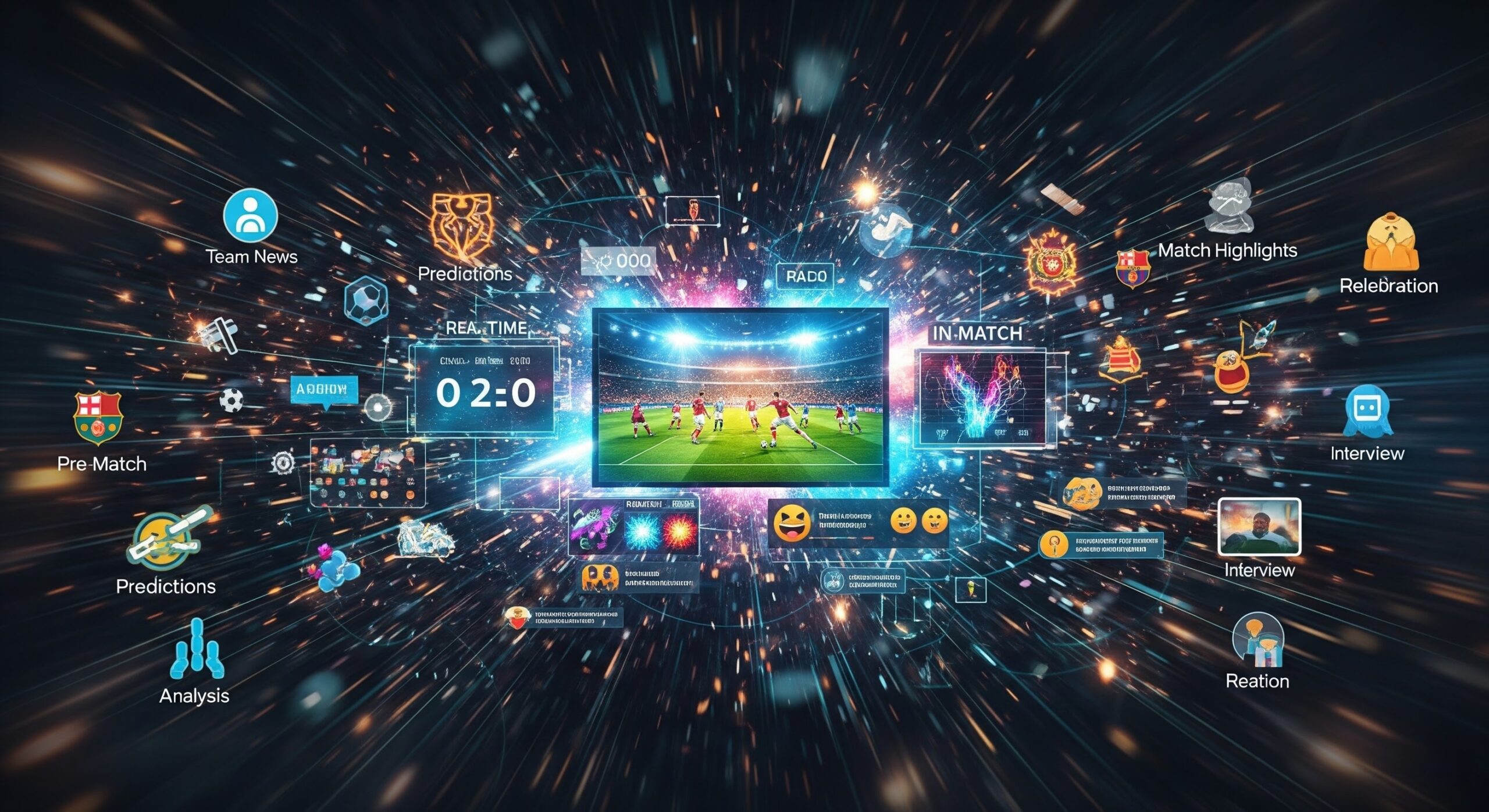
For editorial teams, the second screen multiplies workload:
- more live moments to capture
- more context to explain
- more formats to maintain
- more devices to support
Without structure, tournament coverage turns into reactive chaos.
That’s why publishers who win tend to build “tournament products”, not only tournament articles: a single environment where match data, context, visuals, and monetization can live together.
The simplest way to think about it
If broadcast is the match, the second screen is the stadium.
That stadium is where fans spend time, return for the next game, and form habits. It’s also where publishers can:
- build retention across tournament weeks
- increase engagement per user session
- monetize peak traffic without relying solely on generic ads
You can’t control the tournament schedule. But you can control the experience fans choose to live inside.
If you’re planning tournament coverage for 2026, it’s worth thinking in “tournament hub” terms, not “match report” terms. See what a fully integrated tournament hub looks like here.